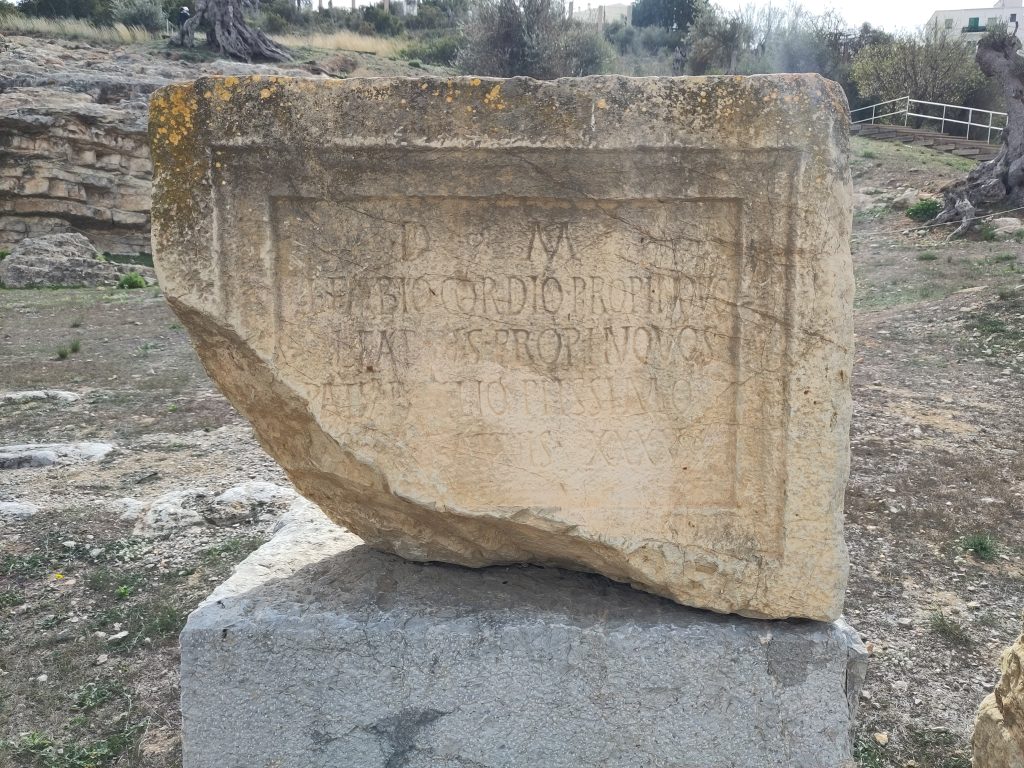
You probably didn’t fly to Ibiza for the museums. But after three straight days of midday sun and 20-euro gin and tonics down in Playa d’en Bossa, an afternoon indoors becomes a basic survival tactic. I should be direct here. Ibiza has exactly four major museums. That is it. You are not getting the Louvre. What you get instead are a few very specific collections explaining why people have been fighting over this rock in the Mediterranean for thousands of years.
Museu Arqueològic d’Eivissa i Formentera
You will sweat walking up the cobbled hills of Dalt Vila to reach Plaça de la Catedral 3. The Archaeological Museum shares a quiet plaza with the cathedral itself. A bottle of water from the little tourist shop halfway up the hill will cost you almost as much as the 2-euro entry ticket. The collection traces everything from the first Phoenician settlement at Sa Caleta in 654 BC straight through the Roman occupation. You end up staring at ancient coins and Moorish ceramics in glass cases while the bass from a day club thumps faintly somewhere down in the port area. The terracotta figures survived surprisingly well. And the heavy air-conditioning is fantastic.
Museu Monogràfic des Puig des Molins
Don’t even try to find street parking near Via Romana 31 in July. Just take a taxi. This museum sits directly on top of a massive ancient graveyard containing over 3,000 underground tombs. The gravel path outside crunches loudly when you walk over the actual burial sites. Inside the building the exhibits show exactly what people buried with their dead including heavy bronze amulets and thick jewelry meant for the afterlife that look incredibly uncomfortable to wear. A large chunk of the space focuses on artifacts pulled from a cave in Sant Joan. People worshipped the goddess Tanit there.
Museu d’Art Contemporani d’Eivissa (MACE)
Right above the main Portal de Ses Taules entrance to Dalt Vila sits MACE. The architecture is severely modern. It clashes completely with the surrounding 16th-century fortress walls in a way that actually works. The permanent collection focuses on artists who moved to the island in the 1960s and 1970s. You will spot pieces by Erwin Bechtold and Rafael Tur Costa. The security guard on the ground floor usually looks terribly bored. When they expanded the basement a few years ago the construction crew accidentally found structural ruins from the Phoenician era so the architects just installed a glass floor over them. You can literally walk right over a 2,500-year-old wall while looking at abstract paintings.
Museu Etnològic d’Eivissa i Formentera
Take the L13 bus out to Santa Eulària if you want to see what Ibiza looked like before the superclubs arrived. The Ethnological Museum is inside a restored farmhouse called Can Ros on the hill below the church. The rooms smell faintly of old wood and dust. They are packed with the tools of daily rural life from a century ago. Massive wooden carts. Heavy olive presses. You also get a close look at the emprendada. This is the heavy gold jewelry local women wore with their traditional dresses. The sheer weight of the metal is impressive. It takes about forty minutes to walk through the whole property.
The Annoying Reality of Museum Hours
Do not trust Google Maps for opening times. Island museum hours are notoriously chaotic. A place will open from 10:00 to 14:00 on a Tuesday in October. By late July they suddenly adopt an evening schedule. Mondays are usually a total write-off. They also shut down for long lunch breaks. I once walked all the way up to Dalt Vila at 14:30. The heavy wooden doors were locked tight until 17:00. Call them directly. Or ask your hotel receptionist to check the Consell d’Eivissa website for you. Otherwise you will spend your afternoon staring at a closed gate.
Photo: Joan Gené, via Wikimedia Commons